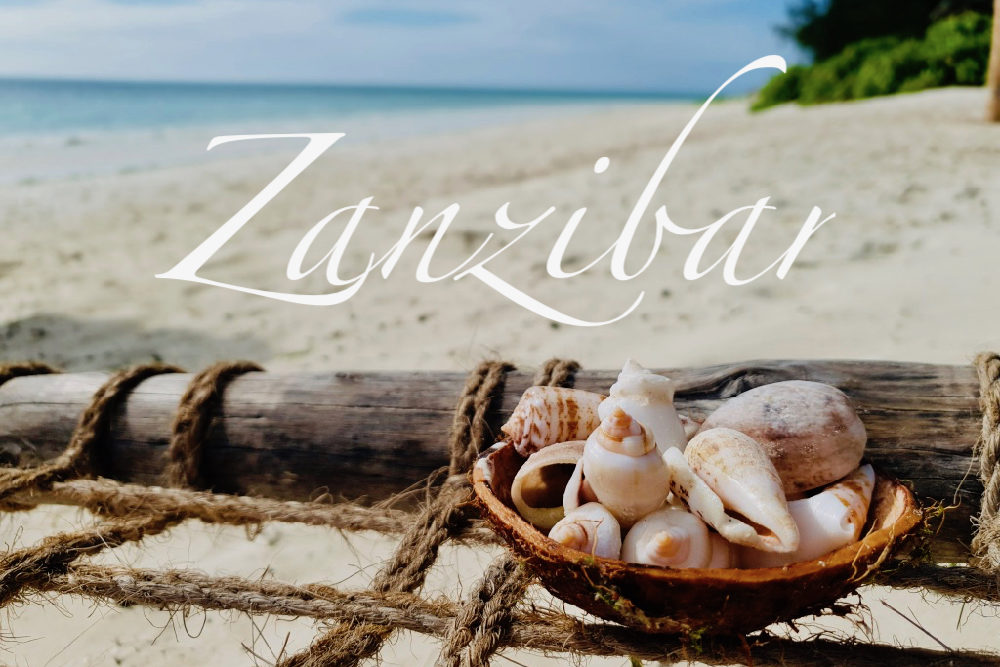
The Best Time to Visit Zanzibar
Nestled in the azure waters of the Indian Ocean, Zanzibar is a
tropical island off the coast of Tanzania, known for its last days beaches,
rich cultural heritage, and vibrant spice markets. Choosing the best time to
visit this enchanting destination is crucial for experiencing its diverse
offerings to the fullest. Whether you're seeking sun-drenched beaches, cultural
immersion, or outdoor adventures, understanding the island's climate and
seasons is essential for planning the perfect getaway.
The Seasons:
Zanzibar experiences two main seasons: the dry season and the wet
season.
1.
Dry Season (June to
October):
·
The dry season is
considered the best time to visit Zanzibar. Running from June to October, this
period offers travelers sunny days, minimal rainfall, and lower humidity.
·
July and August are
particularly popular, with clear skies and pleasant temperatures ranging from
24°C to 29°C (75°F to 84°F).
·
This is the ideal time
for water activities like snorkeling, scuba diving, and sailing, as the
visibility is excellent, and the ocean is calm.
2.
Wet Season (November to
May):
·
The wet season in
Zanzibar spans from November to May, characterized by period of rainfall,
higher humidity, and the occasional tropical storm.
·
November to mid-December
marks the short rains, while the long rains typically occur from March to May.
During these months, some accommodations may offer discounted rates, making it
a budget-friendly option for travelers.
·
Although the wet season
can bring lush landscapes and vibrant colors, outdoor activities may be limited
due to unpredictable weather.
Choosing the Best Time for Your Interests:
1. Beach Lovers:
.jpg)
·
For those seeking lazy
days on the beach and warm, crystal-clear waters, the dry season is the best
choice. The months of July and August are particularly popular for beach excited.
2.
Cultural
Excited:
·
If you're interested in
experiencing the local culture, the dry season still holds the advantage.
During this time, festivals and events are more likely to take place, providing
a deeper insight into Zanzibar's rich heritage.
3. Divers

·
While diving is possible
year-round, the dry season offers the best underwater visibility. Dive excited
might prefer the months of September and October for optimal conditions.
4.
Budget
Travelers:
·
The wet season,
particularly the months of November to mid-December, can be a budget-friendly
option. Some accommodations offer discounted rates during this period, and the
island is less crowded.
Conclusion:
In conclusion, the best time to visit Zanzibar largely depends on
your preferences and interests. The dry season, from June to October, is
generally recommended for its favorable weather conditions, making it an ideal
time for various activities. However, the wet season has its own charm,
appealing to budget-conscious travelers and those who appreciate the lush,
green landscapes. Regardless of the season you choose, Zanzibar promises a
unique and unforgettable experience, blending natural beauty with rich cultural
heritage.

Comments
Post a Comment